
Honors and Distinctions
Awards, Honors and Tributes to José Roger Balet
More than seventy decorations in Spain, Argentina, Uruguay and Italy
1. Introduction to His Distinctions and Tributes
Throughout his life, José Roger Balet received more than seventy decorations and distinctions reflecting society’s appreciation and gratitude for his philanthropic work. For him, every single one of these honors—from the most solemn to the most humble—was always a source of deep gratitude and sincere emotion.
2. Awards and Decorations in Spain
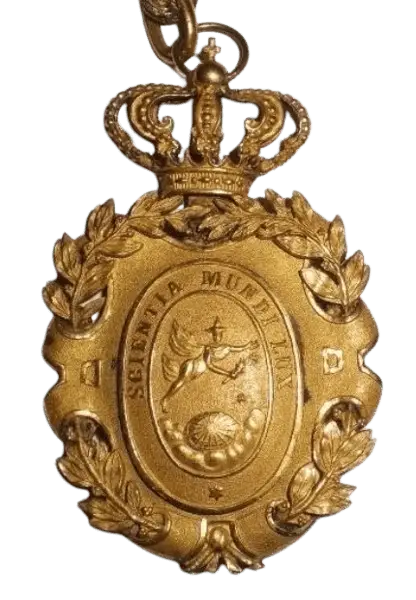
In 1930 the Royal Academy of Sciences and Arts of the City of Cádiz, Spain, awarded him the title of Academician for the donation of the house where Bernardino Rivadavia died.
Upon receiving this prestigious title, he reflected that:
“I have always held Academicians in the highest regard, because I consider that they possess not only virtues, but also a great wealth of wisdom that enables them to be teachers of youth. I am merely a working man, and it will be difficult for me to get used to the idea that I belong to this center of learning of such high standing in Europe, where young people eager for knowledge gather. I shall not be able to teach them any philosophical or scientific discipline. I can only point out to them that, to become true men useful to society, they must never stray from the honest path of work, respect and solidarity.”
Source: J.R.B. Sembrador de escuelas; Yderla Anzoátegui
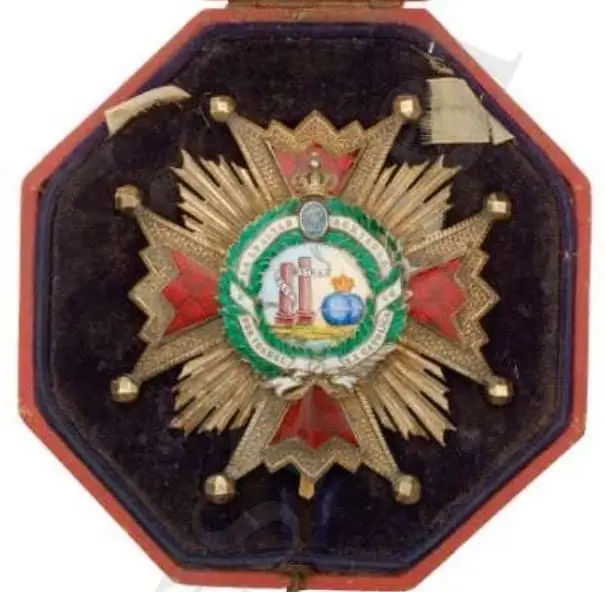
In 1935 the Government of Spain conferred upon him the title of Commander of the Order of Isabella the Catholic (Comendador de la Orden de Isabel la Católica). This distinction was granted in gratitude for having financed the return passage to Spain for 275 destitute individuals during the crisis of 1931–1932. The nomination was promoted by the Embassy of Spain in Argentina, the Spanish Mutual Aid Society and other institutions.
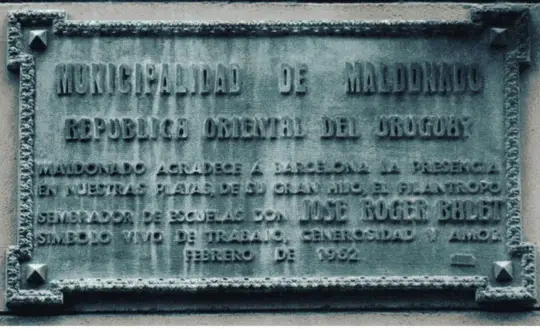
In 1962 the Ambassador of Uruguay placed a commemorative plaque on the facade of his birthplace in Barcelona in his honor, where it still remains today.
Here we share a direct link to an interview broadcast on Radio Barcelona, available on YouTube, recorded on the day of his arrival in the city to receive this tribute.
3. Awards, Streets and Tributes in Argentina
He was honored as Honorary President of numerous organizations in Buenos Aires and across the Argentine provinces, and distinguished as a Full Member or Honorary Member by institutions that recognized his selfless dedication.
He also participated as a Founding Member in patriotic, educational, social, sports and charitable organizations, leaving a lasting mark across many spheres of community life.
Recognition of his work even lived on through his name, adopted by school cooperadora associations in Buenos Aires and in several provinces. Likewise, institutions such as the Popular Library of Buta-Ranquil (Neuquén), the Student Center of Santiago del Estero, and the Agricultural and Livestock Club of San Pedrito (Jujuy) proudly chose to bear his name.
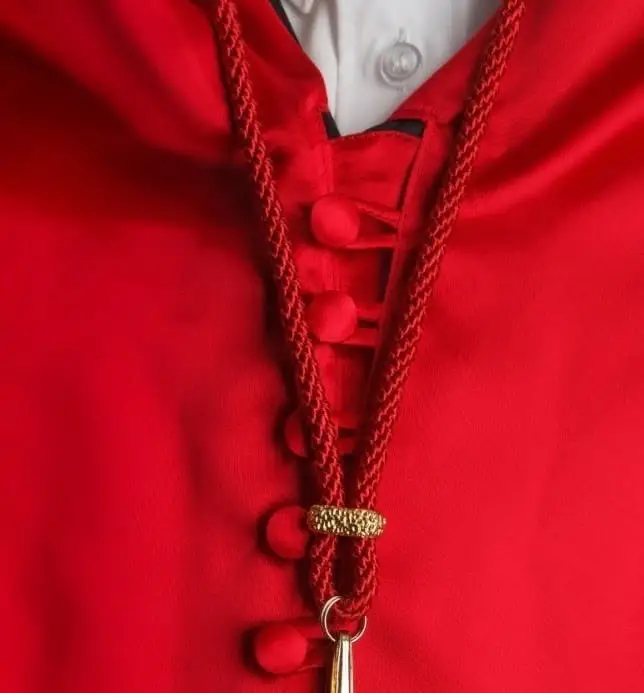
On October 12, 1947, the Governor of the National Territory of La Pampa granted him the title of “Maestro honoris causa” by official decree. The distinction was celebrated with a banquet in his honor, where leading figures in education—such as the principal of School No. 2, Adelaida B. de Zúñiga, and Dr. Durañona y Vedia, representing the National Council of Education—paid tribute to him.
Governor Juan L. Páez concluded the ceremony by presenting him with a parchment scroll containing the decree and a gold medal, recognizing him as “Sower of Schools” (Sembrador de Escuelas), a symbol of La Pampa’s gratitude for his educational work.
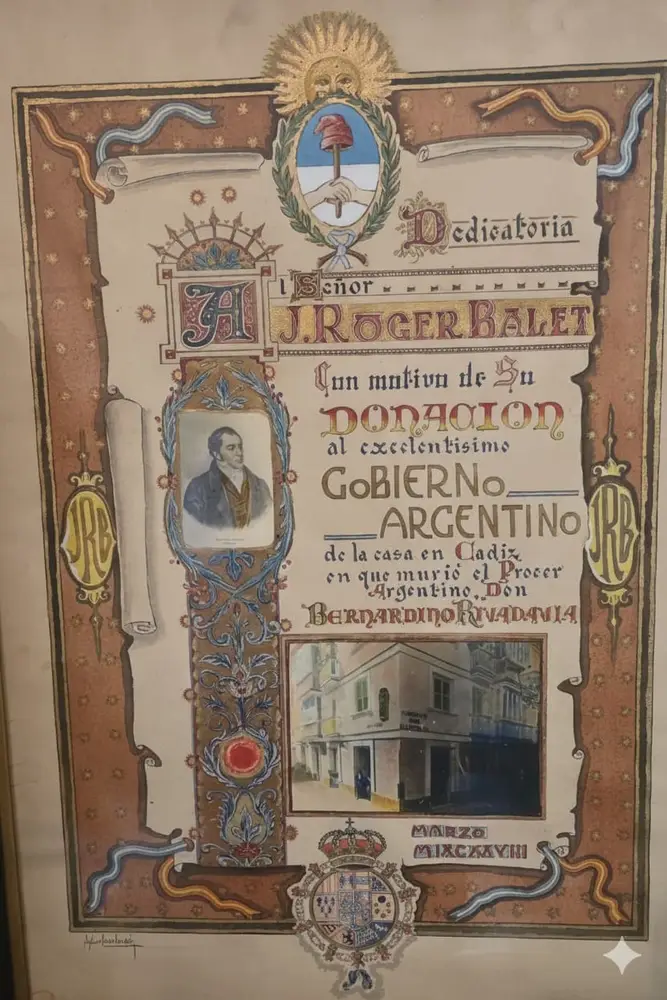
Original diploma presented to José Roger Balet commemorating the donation of the House of Bernardino Rivadavia in Cádiz.
He held the title of “Honorary Professor” from numerous educational institutions in the Capital and throughout the Argentine Republic.
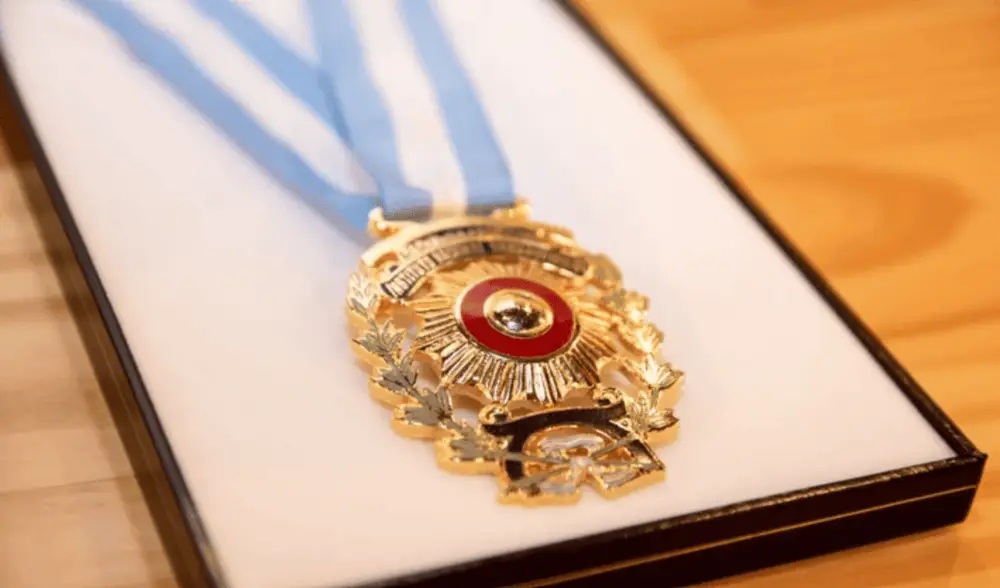
The Sanmartinian Palms (Palmas Sanmartinianas) awarded by the National Sanmartinian Institute.
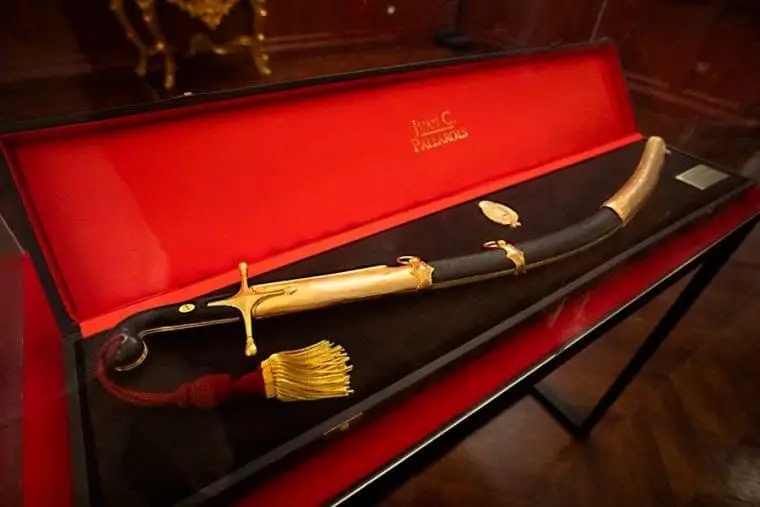
The National Sanmartinian Institute also presented him with a replica of General San Martín’s Curved Saber.
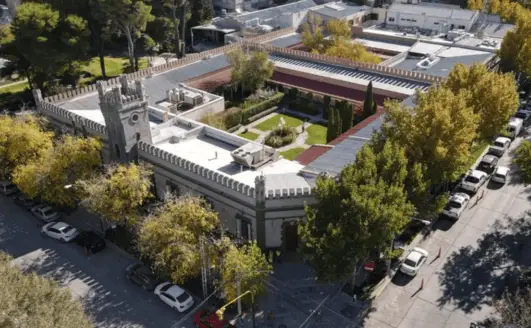
On October 12, 1948, Governor Emilio Belenguer of the National Territory of Neuquén, following the donation of School No. 103 “Lt. General Julio A. Roca”, declared him “Guest of Honor” of the territory and hosted him at the Governor’s Residence.
*This school has recently changed its name to Rosa Alaníz School.
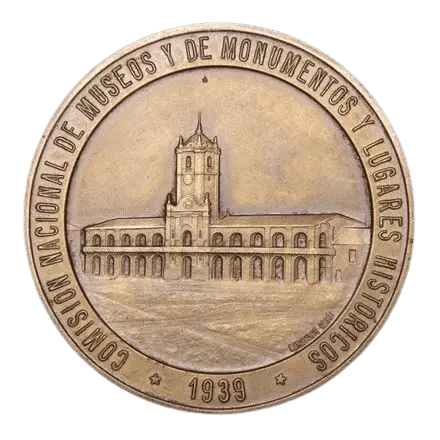
Gold medal from the National Commission of Historical Monuments in recognition of his generosity in contributing to the restoration of the birthplace of Domingo Faustino Sarmiento.

The city of Formosa named him Meritorious Citizen (Ciudadano Benemérito) in 1944.
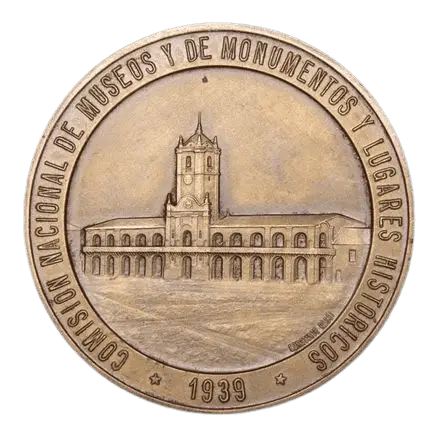
Gold medal from the National Commission of Museums and Historical Monuments, presented at an emotional ceremony presided over by Dr. Ricardo Levene in recognition of the donation of the house where Bernardino Rivadavia died.
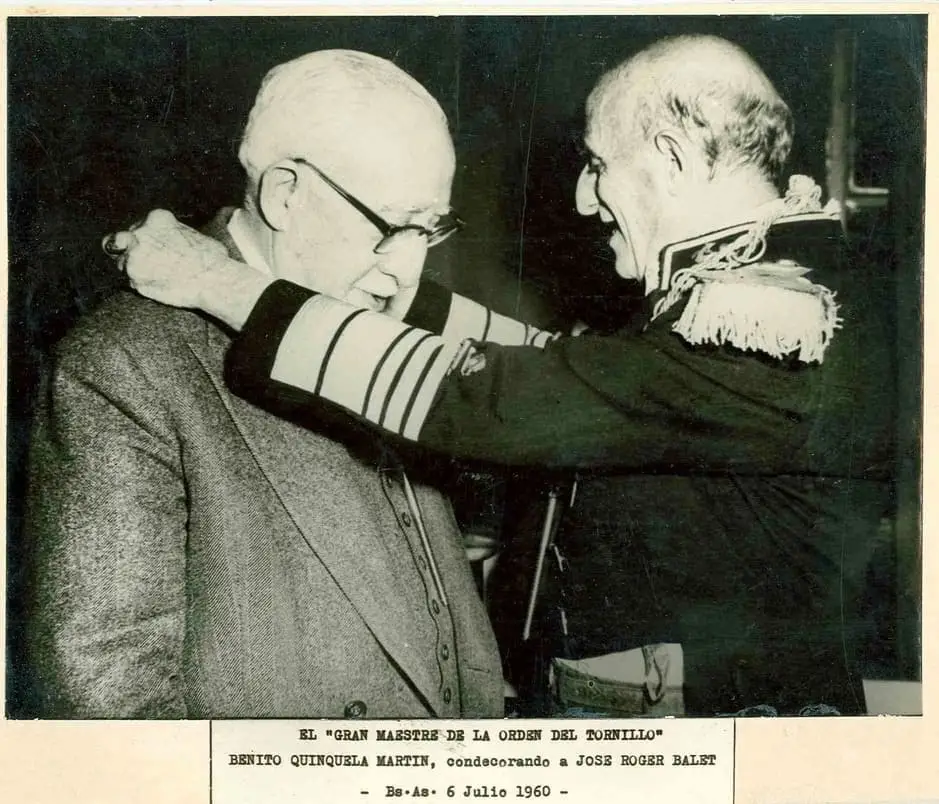
In 1960 he was included among the 320 honorees of the Order of the Screw (Orden del Tornillo), a unique decoration created in 1948 by the painter Benito Quinquela Martín, who served as Grand Master of the Order. With humor and symbolism, this distinction paid tribute to those who possessed a “luminous madness”: individuals committed to Truth, Goodness and Beauty.

As an active member of the Rotary Club, he received numerous distinctions awarded by the organization and its members, as detailed in Volume III of the History of the Rotary Club of Buenos Aires.
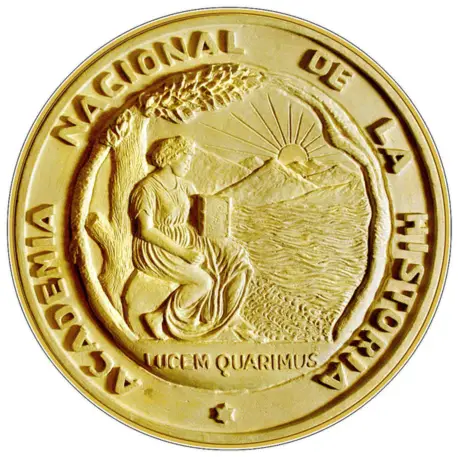
He was appointed Honorary Academician by the National Academy of History of Argentina.

Streets named in his honor:
4. Awards and Tributes in Uruguay

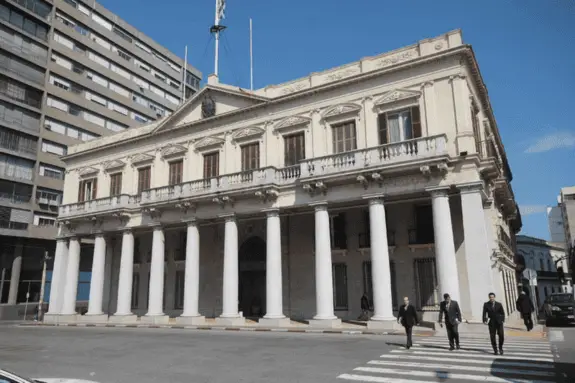
In 1963 the Government of Uruguay sent a message to Parliament declaring Don José Roger Balet “Benefactor of Public Schools” (Benefactor de la Escuela Pública) for his work in endowing both Río de la Plata nations with primary schools.
Source: Volume III of the History of the Rotary Club of Buenos Aires.
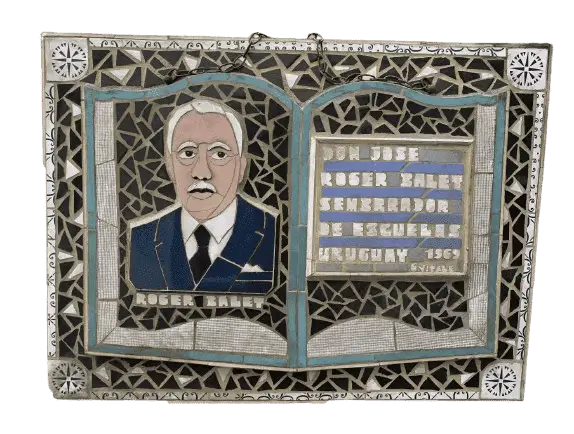
Commemorative plaque: Don José Roger Balet, sower of schools — Uruguay, 1969

Streets named in his honor:
5. Awards and Distinctions in Italy
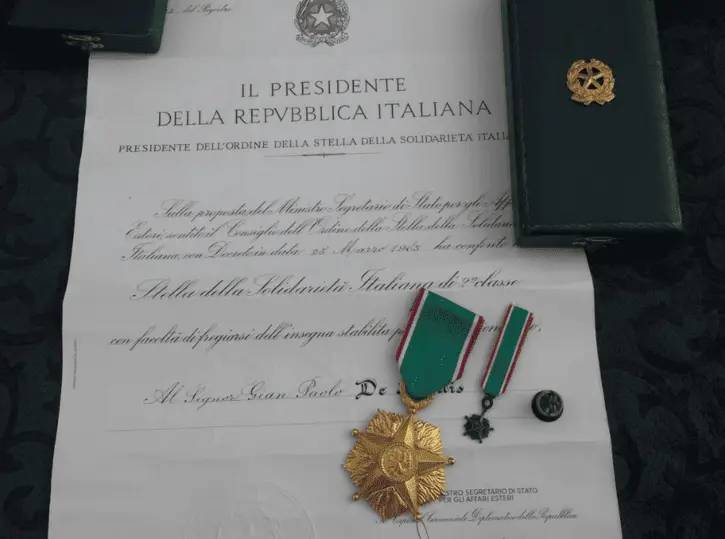
The Government of Italy conferred upon him the Insignia of the Star of Italian Solidarity (First Class), in gratitude for the aid he provided during the severe floods that struck the country and for his collaboration in rescuing the shipwrecked passengers of the ocean liner Principessa Mafalda in 1927 on the Italy–Argentina route, where 900 of the 1,200 passengers were saved.
6. Relationship with Presidents of Argentina and Uruguay
Throughout his life, he maintained cordial relations with various heads of state of Argentina and Uruguay, receiving official invitations from several of them:
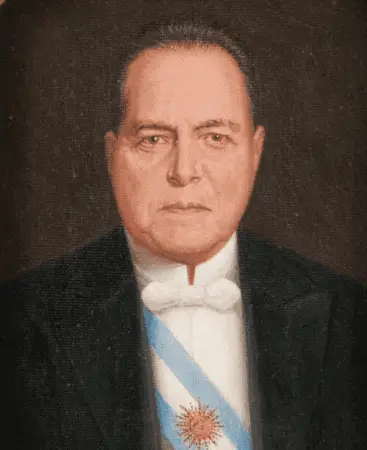
- His first meeting was with Hipólito Yrigoyen
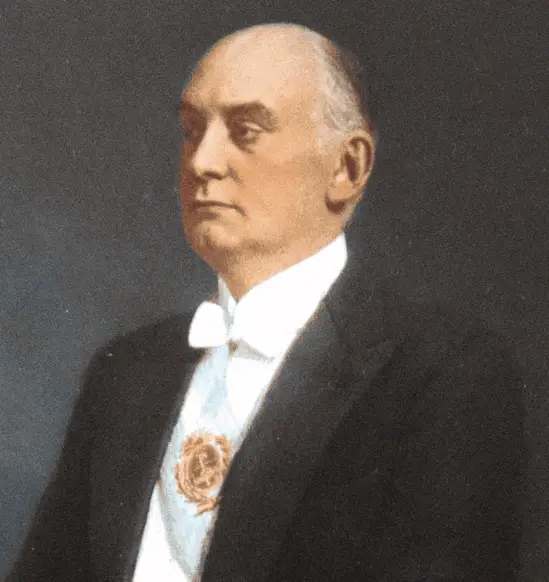
- Followed by Marcelo T. de Alvear
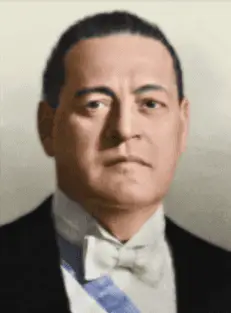
- Years later, he received a new invitation from Roberto M. Ortiz
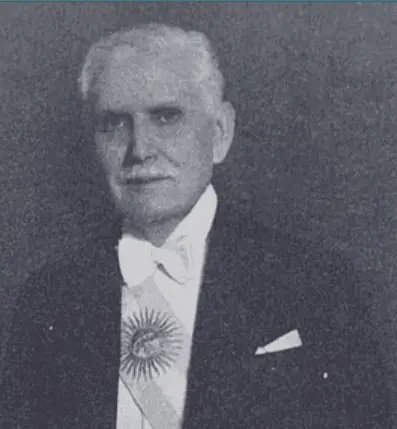
- Subsequently from Ramón S. Castillo, then Vice President serving as Acting Head of the Executive Branch. This invitation coincided with the official handover of the donation of the House of Rivadavia in Cádiz.
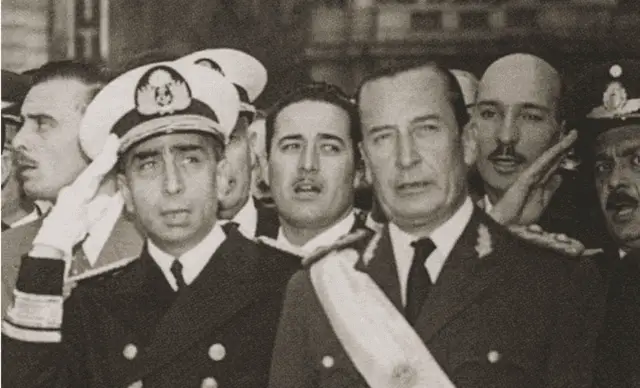
- After a period without official protocol ties, he was invited again in 1956—this time on the occasion of the unveiling of the statue of San Martín in Mar del Plata—by Provisional President Pedro Eugenio Aramburu and Vice President Isaac P. Rojas
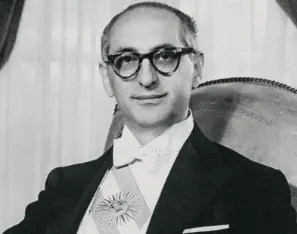
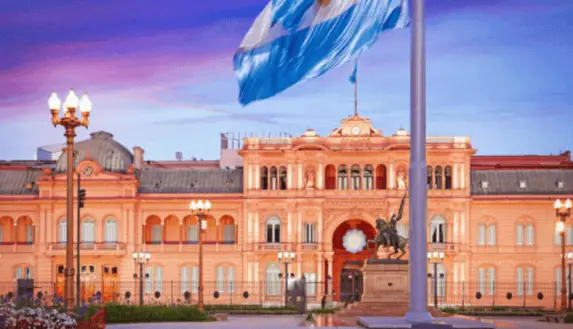
- Finally, in 1959, President Arturo Frondizi invited him to the Casa Rosada to personally express the gratitude of the Argentine people for his educational contributions and his many philanthropic initiatives.
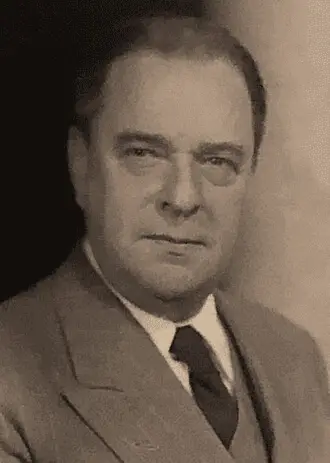
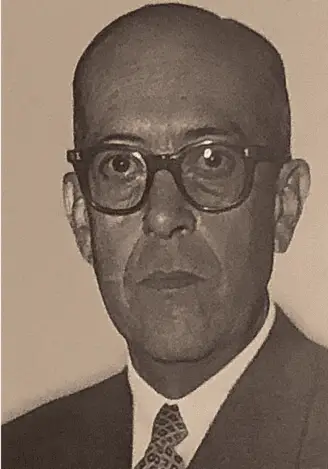
- In 1957, on the occasion of the laying of the cornerstone of the Juan Antonio Lavalleja School, he was invited to the Government House by Uruguayan President Arturo Lezama. In 1958, when the school was officially handed over, he was invited once again to the Government House by his successor, President Carlos L. Fischer. In 1959 he was invited there a third time, at the request of the Public Instruction Commission of the National Council of Government presided over by Martín Echegoyen and by Justo Alonso.
7. Petition for the Creu de Sant Jordi of the Generalitat de Catalunya
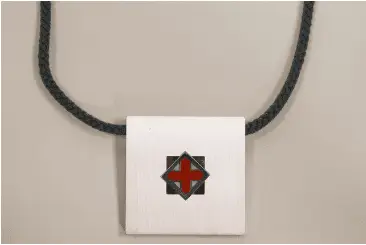
Through the Change.org platform, we are collecting signatures so that the Creu de Sant Jordi (Cross of St. George) may be awarded posthumously without time limits, in order to honor figures such as José Roger Balet, whose altruistic work richly deserves this distinction.
Currently, it can only be awarded posthumously under very restricted timeframes following a person’s passing. We therefore ask the Generalitat de Catalunya to review and amend these restrictions so as to allow fair and full recognition of those who have made outstanding contributions to society.

You can also sign the petition by scanning this QR code