Solidarity and Education
Philanthropy of José Roger Balet: Donated Schools, Humanitarian Work, Health and Culture
The sower of schools: 54 donated schools and humanitarian work
1. What Is Philanthropy?
Philanthropy is an attitude of love toward others expressed through solidarity, generosity and mutual support. Its goal is to build a better world for all people.
2. The “Sower of Schools”: 54 Schools Donated in Argentina, Uruguay and Chile
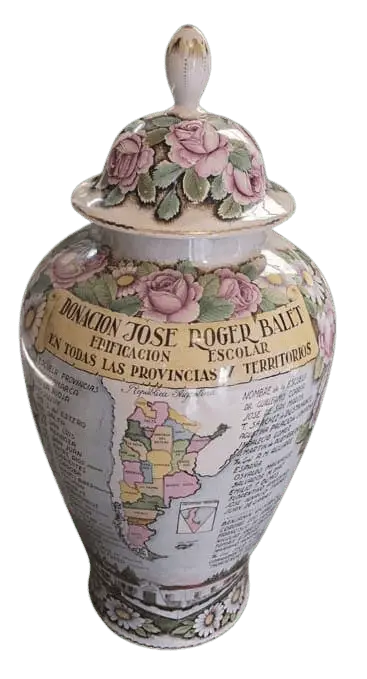
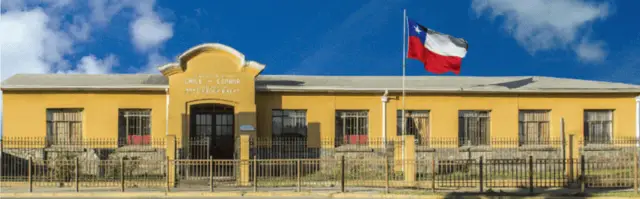
In 1940, José Roger Balet decided to donate 24 schools—one per province—to improve children’s education in the most underserved areas. Inspired by his gratitude toward the country that had welcomed him and driven by a firm commitment to solidarity, he donated not only the school buildings themselves, but also housing for teachers. National authorities as well as the Argentine and international press praised his gesture, which over time expanded to 54 schools (48 in Argentina, 5 in Uruguay and 1 in Chile).
He participated actively in every stage of the project, convinced that education was the key to combating poverty and transforming society. The architectural design was commissioned from the Buenos Aires architect Arturo Dubourg (pseudonym Grey Rock), author of iconic public buildings. In addition, engineer José Soledani served as his technical advisor to guarantee the structural soundness of the buildings.
More than 80 years have passed since the cornerstone of the first donated school was laid. Calculating the exact number of students who have passed through their classrooms is difficult, yet there is no doubt that they number in the hundreds of thousands. His educational legacy, generously sown in every corner of the country, continues to flourish year after year, honoring the nickname by which so many remember him: The Sower of Schools (El sembrador de escuelas).
List of Schools Donated by José Roger Balet
Argentina
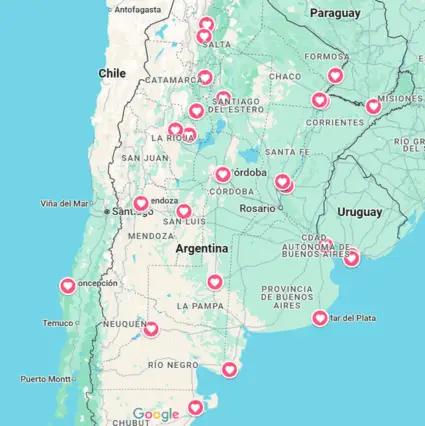
Each school includes a direct link to view its location on Google Maps:
- School No. 229 “Guillermo Correa” in Catamarca
- School No. 190 “General San Martín” in La Rioja
- School No. 360 “Teodoro Sánchez de Bustamante” in Jujuy
- School No. 124 “Coronel Luis Jorge Fontana” in Formosa
- School No. 314 “Doctor Tomás Manuel de Anchorena” in La Rioja
- School No. 264 “Juan Martín de Pueyrredón” in San Luis
- School No. 542 “Agustina Palacio de Libarona” in Santiago del Estero
- School No. 284 “Indalecio Gómez” in Salta
- School No. 1151 “Teniente General Rafael Aguirre” in Mendoza
- School No. 12 “España” in San Juan
- School No. 181 “Osvaldo Magnasco” in Paraná
- School No. 444 “Salvador María Díaz” in Corrientes
- School No. 13 “Benjamín Victorica” in Resistencia
- School No. 187 “Gobernador Emilio F. Olmos” in Córdoba
- School No. 59 “Florentino Ameghino” in Mar del Plata
- School No. 351 “José Ignacio Thames” in Tucumán
- School No. 19 “Juan de Garay” in Santa Fe
- School No. 1 “Francisco de Viedma” in Río Negro
- School No. 48 “Nicolás Avellaneda” in Posadas
- School No. 2 “Tomás Espora” in Puerto Madryn
- School No. 143 “Mariano Moreno” in Santa Rosa
- School No. 103 “Rosa Alaníz” in Neuquén (formerly Lt. Gen. Julio A. Roca)
- School No. 23 “Comandante Luis Piedrabuena” in Santa Cruz
- School No. 3 “Monseñor Fagnano” in Ushuaia
- ....(We are publishing more soon)...
Here you can watch a YouTube video showing the inauguration of a donated school in Santa Rosa in 1948.
Uruguay
- School No. 37 “República Argentina” in Colonia del Sacramento, Uruguay
- School No. 94 “José Roger Balet” in Montevideo
- School No. 224 “José Roger Balet” in Montevideo
- School No. 7 “José de San Martín” in Maldonado
- School No. 146 “General Juan Antonio Lavalleja” in Atlántida
- School No. 24 “Zorrilla de San Martín” in Mercedes
- School No. 62 “Fructuoso Rivera” in Fray Bentos
3. Repatriation of 275 Spaniards During the Crisis
José Roger Balet was an example of generosity and commitment toward his fellow countrymen. In the 1930s, in the midst of the global economic depression, many Spaniards living in Argentina wished to return to Spain due to the lack of opportunities. Upon learning of this situation, he offered the Spanish Consul in Buenos Aires to cover the cost of 200 ship passages, requesting that they be distributed fairly and without favoritism.
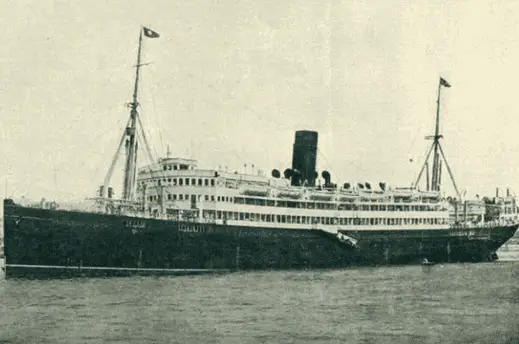
Finally, on January 19, 1932, the steamship Uruguay set sail with 380 repatriated Spaniards aboard, of whom 275 traveled thanks to his direct financial contribution. He went to the port in person to bid them farewell, leaving an indelible impression on those departing—a gesture that was widely praised by the Argentine press.
As a final touch, he also made sure that all the children on board received toys for Epiphany (Three Kings’ Day), a gesture that reveals not only his philanthropy, but also his deep human sensitivity.
4. Wheat Donation Following the Spanish Civil War

Amid the severe food shortages devastating Spain after the Spanish Civil War, marked by famine and the policy of autarky under Dictator Francisco Franco’s regime, José Roger Balet showed remarkable generosity by sending ships loaded with wheat to help alleviate hunger on the Iberian Peninsula.
However, it is crucial to understand the political context of the time:
- Sending wheat through a purely private initiative was, in practice, virtually impossible; to materialize, it inevitably had to be channeled through the strict system of control, authorization, coordination, supervision and propaganda of the Francoist State, ceasing to be a purely private humanitarian act. The Spanish State maintained a strict monopoly and absolute control over food imports and distribution through rationing and agencies such as Auxilio Social.
- The largest shipments of wheat that reached Spain came from interstate agreements, the most notable being the one financed by the Argentine government of Juan Domingo Perón (the famous “Evita’s wheat”).
Source: G. Roger
5. Donation to the Red Cross (1956) for the Victims of the Hungarian Revolution
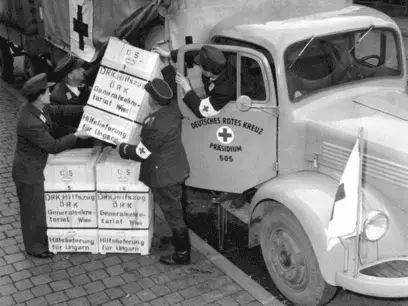
Driven by his humanitarian commitment, in 1956 he made a major contribution to the Red Cross to aid the victims of the Hungarian Revolution. The donation of 10,000 US dollars (equivalent to roughly 118,000 US dollars today) went toward supporting those who suffered the consequences of that uprising against the communist regime, which left thousands dead and forced more than 200,000 people to flee their country.
Source: Volume III of the History of the Rotary Club of Buenos Aires
6. Humanitarian Support for Italy
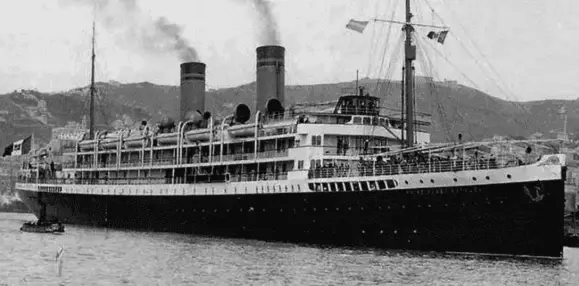
José Roger Balet provided humanitarian support in two events of major international significance: on the one hand, he contributed aid for the victims of severe floods in Italy; on the other, he participated in the relief and assistance efforts following the sinking of the ocean liner Principessa Mafalda in 1927 on the route between Italy and Argentina, where around 900 of the 1,200 passengers were rescued.
7. Donation of Medical, Hospital and Scientific Equipment
José Roger Balet stood out for his commitment to health, science and social welfare in Argentina. Below are some of his principal donations:
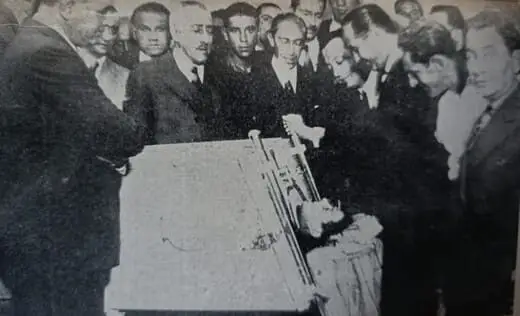
Donation of five metal iron lungs imported from England for the treatment of patients, particularly those affected by poliomyelitis. This generous action received wide media coverage; he stated that, as a foreigner who had prospered in the country, he felt a moral duty to contribute actively to the well-being of the Argentine people.
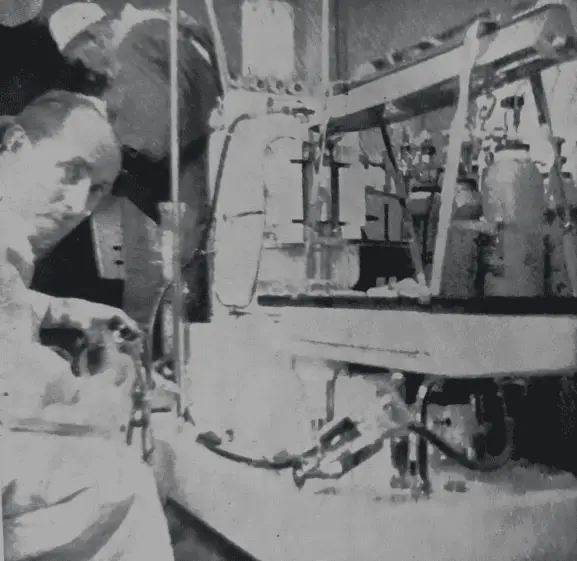
Medical furniture and advanced technologies. Over the years, numerous hospitals benefited from his contributions. Among his most notable donations was the presentation of an artificial heart in 1960 to the Faculty of Medical Sciences of Buenos Aires, at a ceremony attended by leading academic and public-health authorities.

Donation of 10,000 vaccine doses to combat poliomyelitis. In 1954, with the arrival of the Salk vaccine, he once again demonstrated his commitment, reaffirming his conviction that money, when used nobly, can have a transformative impact.

Support for an Argentine stratosphere exploration mission. He donated scientific instruments for air navigation, convinced that initiatives of this kind strengthen national pride.
8. Toy Donations at Children’s Hospitals
Roger Balet offered children what he himself had been unable to enjoy in his own childhood: toys. Among his fondest memories stood out a very special anecdote that deeply shaped his sensitivity from an early age, which he recounted as follows:
“Remembering the Three Wise Men brings back a moment from my childhood. Like so many other children, I eagerly awaited the visit of the Three Kings and had written them a letter with my wishes. I do not know whether they mixed up the recipient, but that January 6th brought my sister Margarita into the world.
My parents, making the most of the occasion, told me that since there were no presents in my shoes, the Three Wise Men had brought me a little sister instead.
Barely three years old and filled with joy, I would reply enthusiastically whenever anyone asked me what Gaspar, Melchior and Balthazar had left me:
‘A real live little doll, and her name is Margarita!’”
Source: J.R.B. Sembrador de escuelas; Yderla Anzoátegui
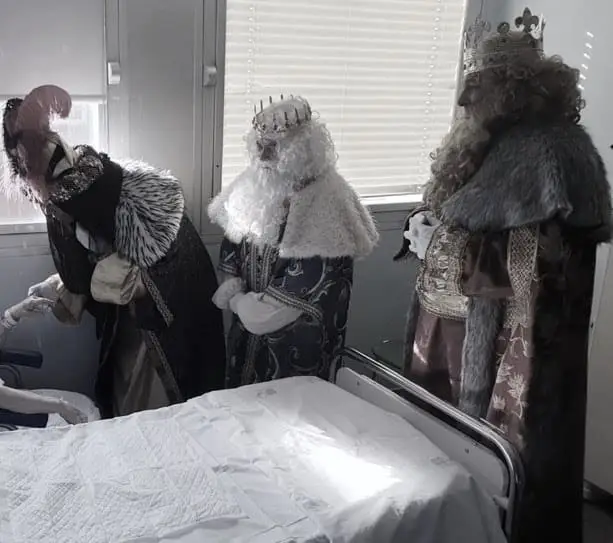
Starting in 1923, once his financial position was consolidated, he resolved never to leave the poor and sick children admitted to Buenos Aires hospitals without hope and joy. He wanted them to experience the magic of receiving a toy just like any other child. His wife, Dresda Rossi, personally took charge of distributing the gifts, a task they carried out uninterruptedly for many years.
Thanks to their steadfast generosity, countless sick children were able to forget their pain for a few moments, hugging a teddy bear, a doll or a clown as though the Three Wise Men themselves had come right to their hospital beds.
9. A High-Flying Prize: The Plus Ultra Seaplane (1926)
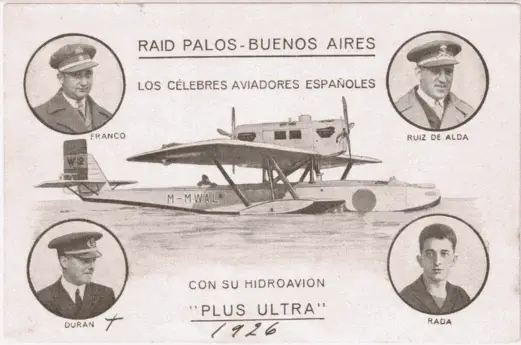
In February 1926, an extraordinary news story captured public attention: three Spanish aviators set out to link Spain and Argentina by crossing the Atlantic in a seaplane. The feat was undertaken by Commander Luis Ramón Franco Bahamonde (brother of the Spanish dictator Francisco Franco), Captain Julio Ruiz de Alda and Navy Lieutenant Juan Durán y González, accompanied by mechanic José Rada. On February 23 they departed from the Port of Palos de la Frontera, in tribute to Christopher Columbus, aboard an Italian-assembled Dornier seaplane powered by 500-horsepower Napier engines named the Plus Ultra.
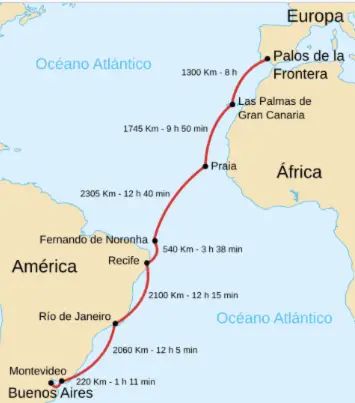
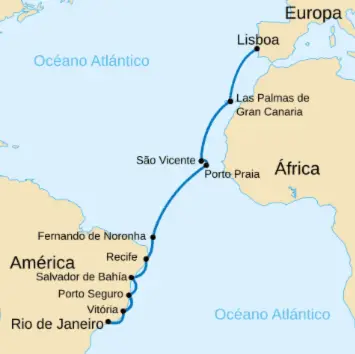
The route, covering 9,970 kilometers, included several stops:
- From the Port of Palos to Las Palmas
- Then to Porto Praia in Cape Verde
- From there to Pernambuco in Brazil, passing through Rio de Janeiro
- and finishing in Buenos Aires
The most demanding leg was from Porto Praia to Pernambuco, spanning 2,870 kilometers across the open Atlantic Ocean—considered at the time an unprecedented feat, comparable only to the daring flight of the Portuguese aviators Coutinho and Cabral.
Commander Franco, already renowned for his service in Morocco, received a prize of 50,000 pesetas (equivalent to roughly 180,000 US dollars today) from José Roger Balet, who had previously announced his intention to reward the first aviator to link Spain and Argentina by air. The presentation was entrusted to Dr. Fermín Calzada, President of the Spanish Club of Buenos Aires.
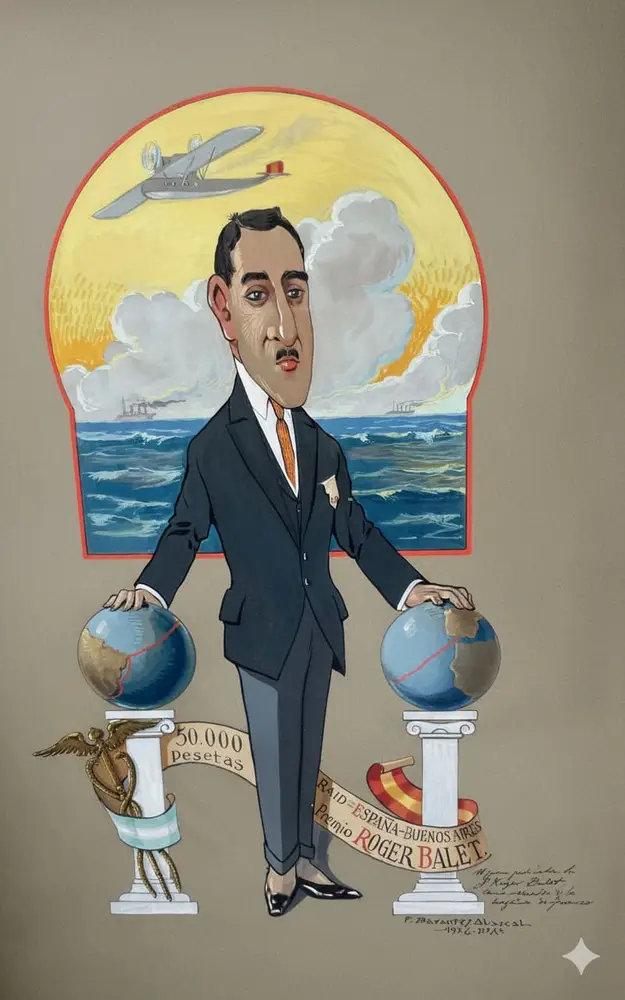
Don José also offered a reward for the first Argentine pilot to fly from Buenos Aires to the Iberian Peninsula, but for three years no one took up the challenge. Eventually, aviators Mejía and Arzeno proposed to attempt the flight as a gesture of reciprocity, and Roger Balet financed the entire project, including purchasing the aircraft in the United States. However, after repeated bureaucratic delays due to the lack of official authorization, the flight never took place and he ended up selling the plane. Had it been completed, it would have been a milestone for South American aviation.
10. Support for the Patriotic Loan of 1932
Following the overthrow of Hipólito Yrigoyen’s government, Argentina faced a severe economic depression that led to high unemployment. In response, in 1932 the new administration launched a Patriotic Loan worth five hundred million pesos to raise funds and address the growing public debt.
Upon learning of this measure, entrepreneur José Roger Balet sent a letter to the Minister of Finance, Dr. Hueyo, announcing the decisions adopted by his company in support of the initiative.
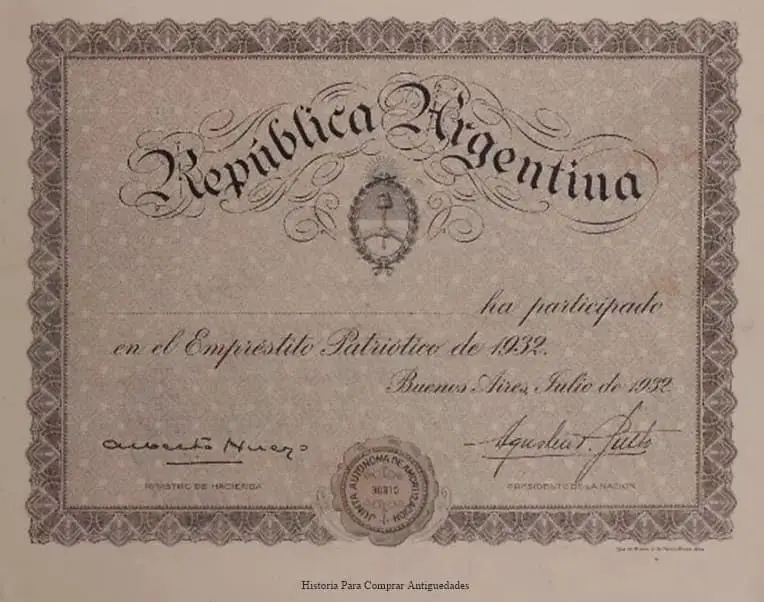
In his letter, he stated that in order to contribute actively to the cause, his store chain would accept up to five million pesos in Patriotic Loan bonds as payment for merchandise, valuing them at 100% of their face value and absorbing the 10% issuance discount himself. Furthermore, he offered his debtors the opportunity to settle their obligations using those same bonds, granting them an effective savings of 10%.
He also indicated that in his personal capacity he would accept rent payments and other debts using these bonds, reaffirming his conviction that they should be treated as cash. In his view, this proposal would not only facilitate circulation of the loan, but also help resolve unpaid public salaries, bringing immediate relief to many citizens.
Roger Balet concluded his letter by calling on other business and industrial leaders to follow his example, noting that with goodwill and cooperation the success of the measure would be assured.
The national press welcomed this initiative enthusiastically, publishing numerous articles highlighting both the generosity and civic commitment of the businessman.
11. Purchase of Mortgage Bonds and YPF Bonds
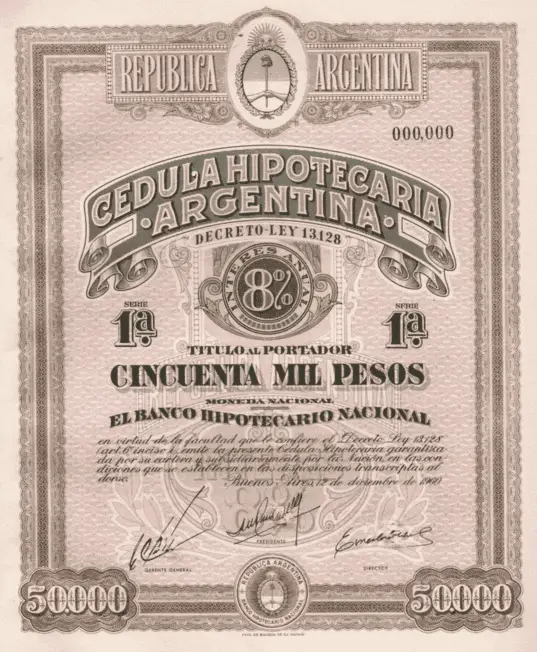
In late 1960, the National Mortgage Bank (Banco Hipotecario Nacional) issued three series of Mortgage Bonds (Cédulas Hipotecarias) totaling 1.5 billion pesos in order to raise funds to address the housing shortage in Argentina.
José Roger Balet was among the very first to support this initiative, purchasing mortgage bonds worth 2 million pesos. In addition, he accepted up to 30 million pesos in these bonds as payment across his commercial operations, even offering up to 10% above their market value. He explained his decision as a vote of confidence in the country’s economic recovery.
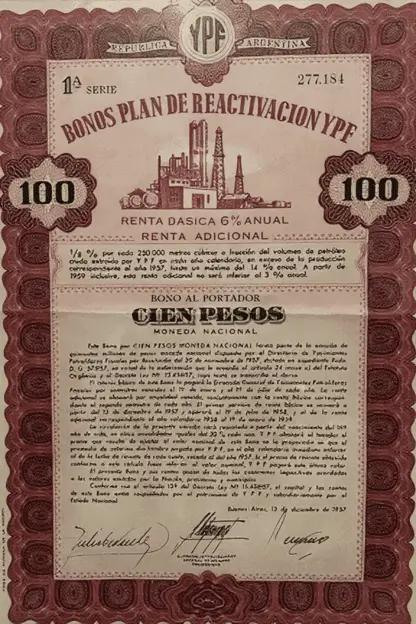
This attitude was nothing new: he had also participated actively in subscribing to bonds issued by Yacimientos Petrolíferos Fiscales (YPF), demonstrating his steadfast commitment to Argentina’s national economic development.
12. Monument to General José de San Martín
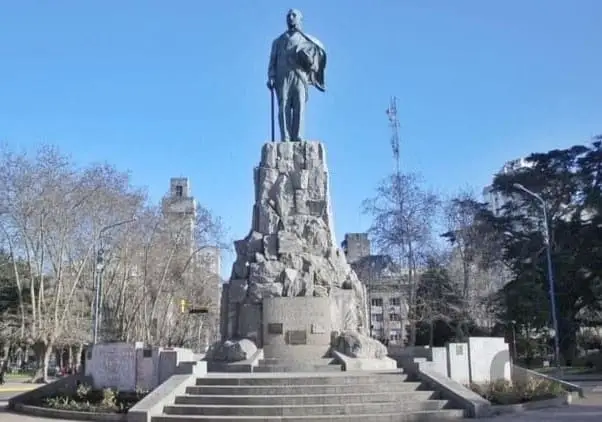
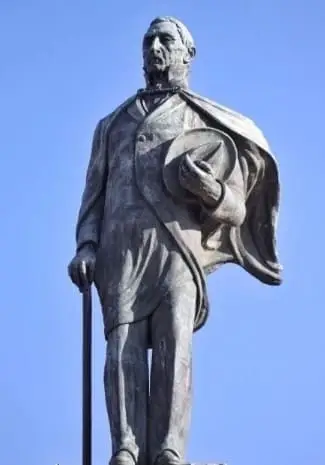
In 1954, he offered financial support to erect a monument commemorating the Liberator General José de San Martín in Mar del Plata. The National Sanmartinian Institute accepted the proposal and formed a committee to evaluate the submitted designs. Sculptor Luis Perlotti was selected to execute the work. Based on a painting by the artist Alice, the monument was inaugurated on February 25, 1956, measuring 18 meters in diameter and 15 meters in height, and built using 19 tons of stone, granite and bronze.
Here you can watch the video of the inauguration.
13. Birthplace of Domingo Faustino Sarmiento (San Juan)
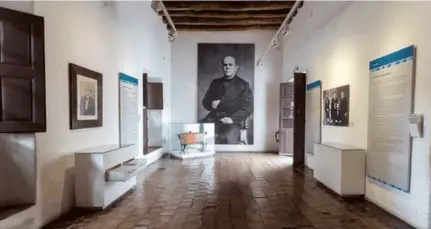
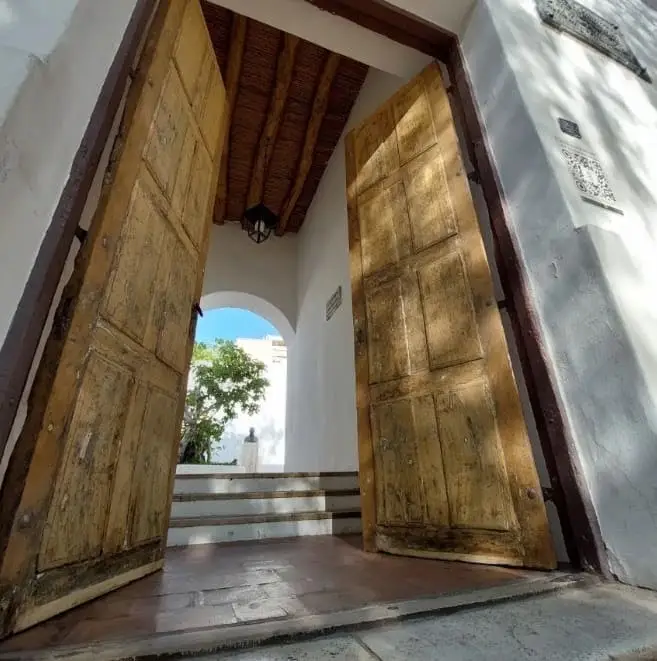
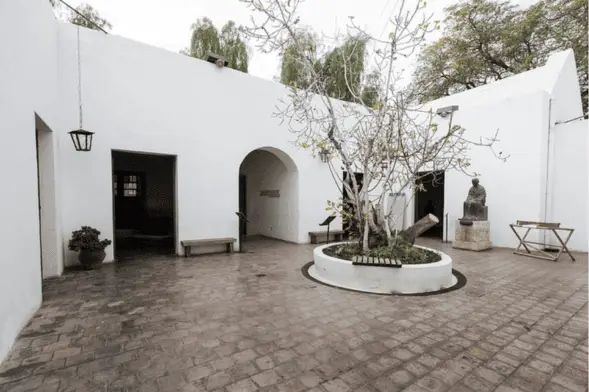
Following the 1944 San Juan earthquake, he contributed to the restoration of the birthplace of Domingo Faustino Sarmiento (1811–1888), a towering figure in Argentine history for his multifaceted work as a statesman, educator, journalist, soldier and writer. Sarmiento held offices of the highest importance: Governor of San Juan, President of the Argentine Nation from 1868 to 1874, National Senator and Minister of the Interior. Renowned for his mastery of Spanish prose, he played a foundational role in advancing public education and scientific development in Argentina.
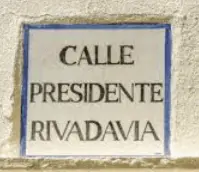
14. House of Bernardino Rivadavia in Cádiz
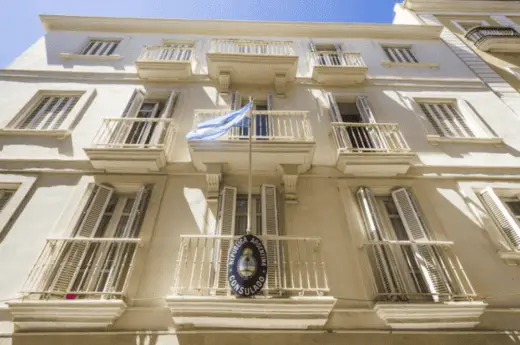
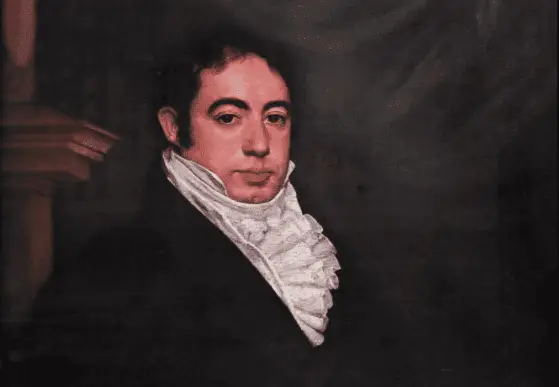
In a three-story house located at the corner of Calle San José and Cánovas del Castillo in Cádiz, Bernardino Rivadavia died on September 2, 1845. A commemorative plaque was placed on its facade in 1910 by the Spanish Chamber of Commerce in Buenos Aires, which also promoted purchasing the property to create a museum in his honor.
Several attempts to acquire the house failed until José Roger Balet, moved by his deep affection for Argentina, offered to purchase it with his own funds. With the support of General Primo de Rivera and the Spanish government, he succeeded in persuading the owners to sell, even though they demanded a high price.
The purchase was symbolically completed on October 12, 1928, Hispanidad Day—a date established by President Hipólito Yrigoyen, who was beginning his second presidential term on that very day. Mr. Roger Balet donated the building to the Argentine government as a tribute to the brotherhood between Spain and Argentina, and in memory of Bernardino Rivadavia.
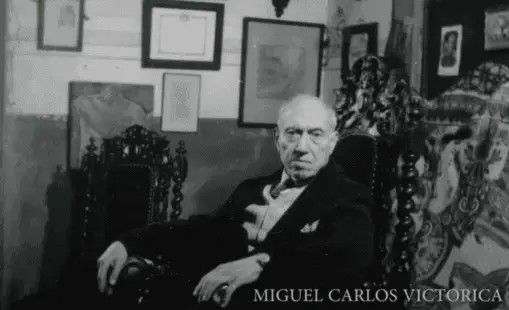
15. Donation of the Painting “La Cancionera” by Miguel Carlos Victorica
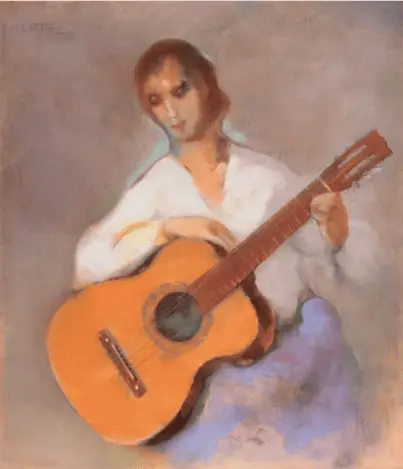
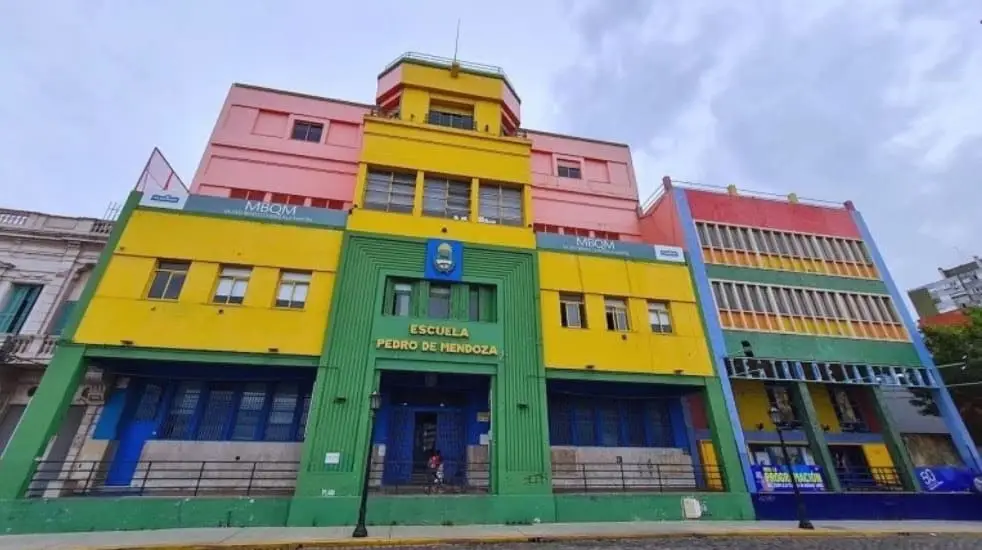
In 1936 he donated a valuable work of art to the museum of the “Pedro de Mendoza” School, built on land donated by the renowned painter Benito Quinquela Martín.
The donated painting, titled La Cancionera (“The Songstress”), was the work of the celebrated La Boca artist Miguel Carlos Victorica (1884–1955), a prominent Argentine painter recognized for his distinctive personal style and his association with the La Boca School. Despite coming from a wealthy family, he chose to set up his studio in the working-class neighborhood of La Boca, where he developed a body of work characterized by intimate, melancholic atmospheres. His artistic training included studies in Buenos Aires and in Europe. Throughout his career he received numerous awards, and his works are internationally recognized and housed in major Argentine museums.
At that time, Victorica lived a modest, bohemian life, so the purchase of his painting was a significant milestone for him. Over time, the wider public came to recognize Victorica’s talent, though Roger Balet had appreciated the value of his art long before most.