
Business
Bazar Dos Mundos and Mundial Bazar: The Commercial Work of José Roger Balet in Buenos Aires
From Mundial Bazar (1913) to the Bazar Dos Mundos chain
1. Introduction: The Commercial Beginnings of José Roger Balet
His Beginnings in Trade
As mentioned in the Life section of this website, from a very young age he showed a natural talent for trade.
During his time in Buenos Aires, he quickly stood out in his first paid job thanks to his warmth, courtesy and good manners. In less than two years he rose from errand boy to salesman, driven by his commercial intuition and his ability to understand the tastes of the public.
Career Advancement and First Achievements
By 1909 he was already earning a salary of 150 pesos, up from a starting wage of just 30. He subsequently accepted a job in Rosario with a higher salary of 300 pesos, which soon rose to 500. However, despite the financial improvement, he did not feel fulfilled and decided to return to Buenos Aires.
Hardships and Perseverance
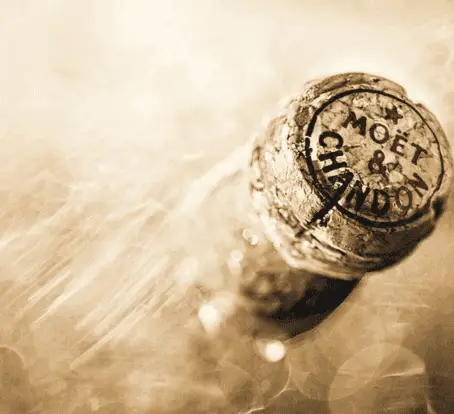
Upon his return, he kept his humble room in a tenement house (conventillo). Finding employment proved difficult, and he had to settle for working at a dry cleaner’s for just 80 pesos. At the same time, he ventured out on his own, selling goods and even importing champagne, demonstrating his entrepreneurial spirit.
His Big Opportunity
Finally, he managed to join a prestigious commercial firm in Buenos Aires. There, thanks to his talent, he rose rapidly through the ranks to become deputy head of the Bazaar and Household Goods Department.
An Unexpected Turn
At the most promising moment of his career, he was dismissed without warning or explanation. Far from giving up, that injustice became the turning point that set him on the path toward future independence and business success.
2. Mundial Bazar (1913): His First Major Business
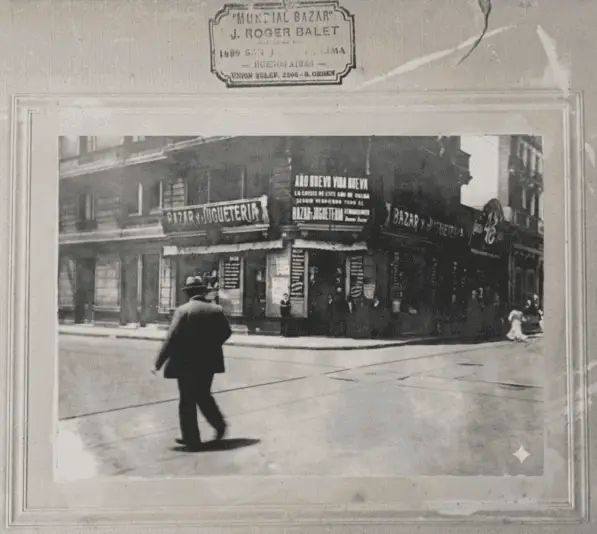
Photo Archive: Lluís Cuspinera i Font
After losing his job at a well-known store on Calle Florida and with a family already formed, he decided to go into business for himself.
In 1913 he bought a small shop at the corner of San Juan and Lima for 7,000 pesos (equivalent to roughly 200,000 US dollars today), paying part in cash and the remainder in installments. To raise the money, he even pawned personal belongings such as his watch and cufflinks.
From day one he applied his commercial instinct: he reorganized the store, displayed visible prices and used eye-catching promotional techniques. The strategy worked, customers began arriving in droves, and sales skyrocketed—so much so that he had to ask the former owner to lend him employees to help serve the public.
In a short time, he sold all the merchandise, including items previously considered unsellable, and recouped nearly his entire initial investment. He renamed the business “Mundial Bazar” and, after a year and a half, sold it at a profit. He then partnered with his former boss, but before long decided to strike out on his own once again.
On the back of the photograph, written in his own hand, there is a dedication to his father:
To my mother and siblings,
This house bears the name of my
Father RIP (may he rest in peace); he raised it and I
manage it to crown his work
in this daring life.
I shall never forget
(Signed: Pepito)
Buenos Aires, December 1, 1913
3. History of Bazar Dos Mundos in Buenos Aires
On May 13, 1915, José Roger Balet founded Bazar Dos Mundos on Calle Corrientes, launching a commercial enterprise that would profoundly shape his career. The name of the business alluded to the union of two cultures—Spain and Argentina—reflecting the transatlantic spirit of the project.
Over time, Bazar Dos Mundos established itself as an iconic department store and became a true symbol of elegance, cosmopolitanism and modernity within Argentine commerce. Its vision was to import high-quality European goods for the home and everyday life, standing out for its exquisite selection of products.
The establishment was synonymous with prestige for decades, offering a carefully curated variety of fine tableware, glassware, household appliances, exclusive items and general bazaar goods. Its style was clearly inspired by the great European department stores, such as Printemps Haussmann and Galeries Lafayette in Paris, Harrods in London, or the Grandes Almacenes El Siglo in Barcelona, designed by his uncle, Master Builder Domènec Balet Nadal.
The founder himself traveled frequently to trade fairs in Germany, France and Italy in order to import the latest trends and innovations from the European market. Thanks to this forward-looking vision, the Bazaar introduced innovative household technologies long before other stores, such as automatic sewing machines, European appliances and designer tableware.
His commercial motto was:
“Earn little, but sell a lot!”
Source: J.R.B. Sembrador de escuelas; Yderla Anzoátegui
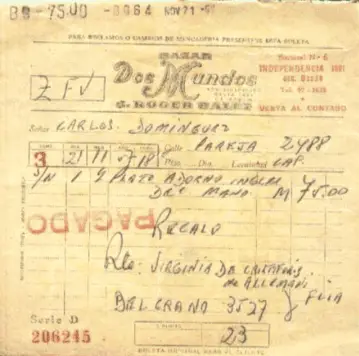
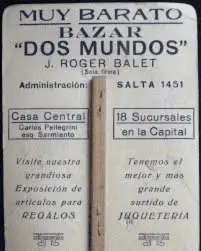
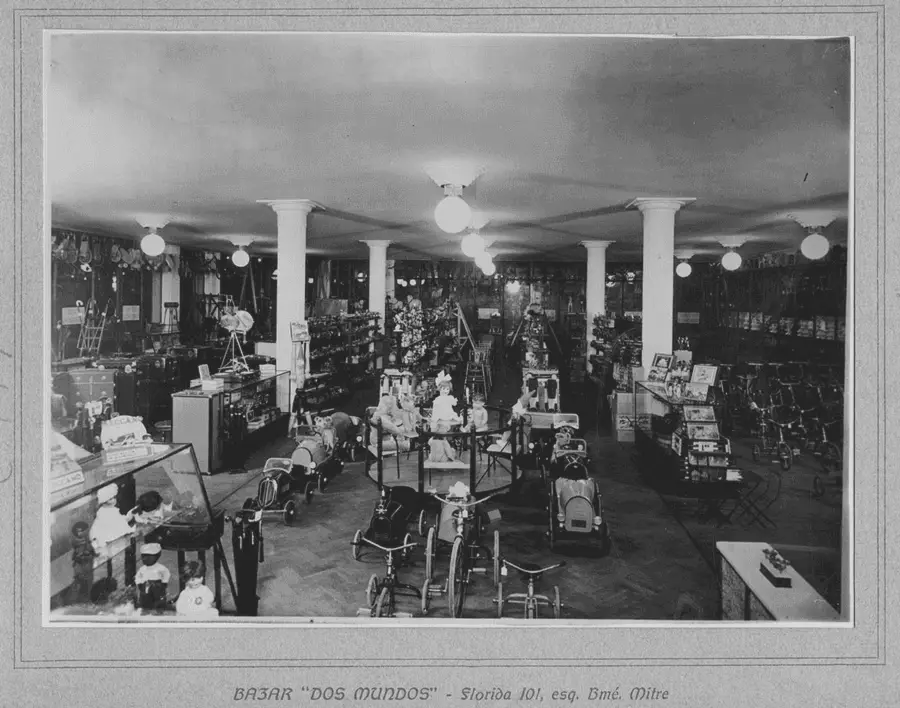
Shopping at Bazar Dos Mundos was not a mere commercial transaction; it was an investment in the common good.
His establishments always complied strictly with the law, and over the years he improved the working conditions of his nearly 800 employees with Sunday rest, wage increases, eight-hour workdays and paid vacations. He used to say that:
“Whenever any labour innovation came along, no one was going to beat him at keeping his staff happy.”
Source: J.R.B. Sembrador de escuelas; Yderla Anzoátegui
Also under the name of his business, he founded and directed a biweekly magazine that championed the interests of the Once neighborhood—where one of his stores was located—addressing local issues and the struggles of working people.
Exponential Growth: More Than One Store Per Year

During the first 14 years (by 1929), his business had expanded to 19 branches under the name “Bazar Dos Mundos”. Strategically located in major neighborhoods and nearby towns, these stores offered a proximity to customers that broke away from the centralized department store model. Some branches even surpassed the flagship store in size and importance.
At that time José Roger Balet achieved a prominent position in both economic and social life. Not only was his business in full expansion, he was also financing numerous charitable works out of his own pocket. His business growth attracted the attention of the press, which also praised his cultural and social contributions.
In an interview, he attributed his success primarily to perseverance and prudent resource management. He stated that saving even a small portion of one’s income could make a decisive difference in the long run, whereas spending more than one earns is, in his words, an insurmountable barrier to personal and economic progress.
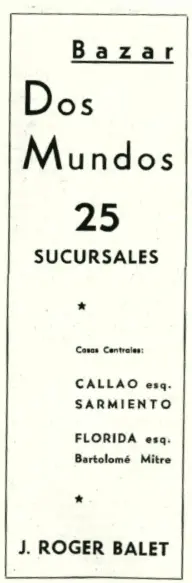
By 1934, twenty years after starting out, Bazar “Dos Mundos” already had 22 stores across the city of Buenos Aires. Beyond its physical expansion, its impact was reflected in the democratization of home comfort and aesthetics, enabling even families of modest means to enjoy a more pleasant and elegant home environment.
In an April 1942 publication, an advertisement appears announcing the existence of 25 branches.
Wholesale Trade and Commercial Expansion
In addition to retail sales, administrative management and distribution were centralized in a large facility on Calle Alsina, which also served as a wholesale showroom—mainly for small merchants supplying their own bazaars. Many of them had access to a personalized credit system that José Roger Balet granted based on his direct assessment of the buyers.
The magazine “Nuestro Comercio” highlighted this model as innovative: rather than drawing the public to a single central store, it brought the bazaar to every neighborhood, harnessing the strength of local commerce. His ability to buy in bulk allowed him to offer highly competitive prices across the city. He was also a firm advocate of fair-style sales and a major buyer of Argentine-made products.
Acquiring a Major Importer
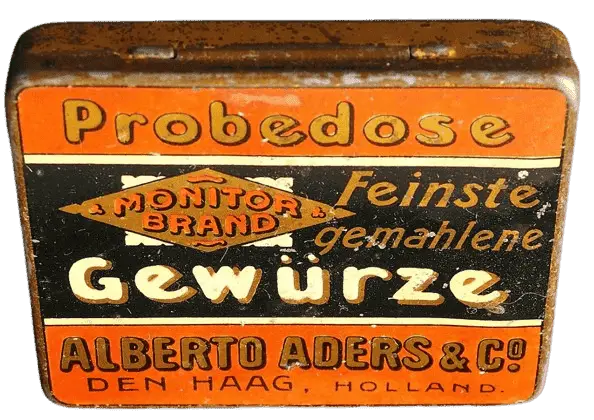
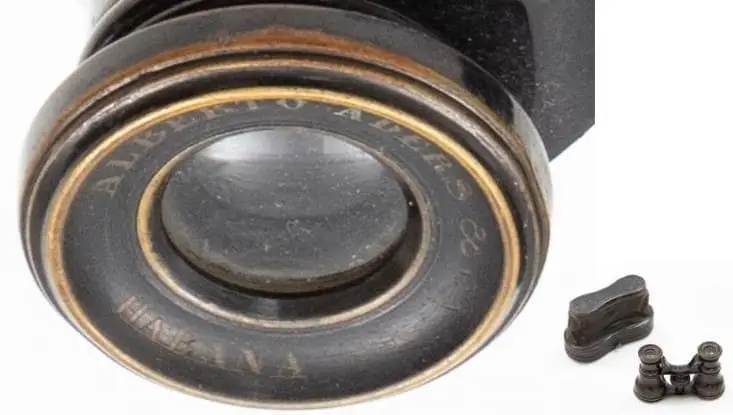
In 1928 he acquired the firm R. Kelskamps (Alberto Aders y Cía.), one of the leading importing houses, for two million pesos (equivalent to roughly 6 million US dollars today). That same year his branch network reached fifteen stores, all skilfully placed in the main neighborhoods of the city and in major suburban towns.

The Iconic Bazar Dos Mundos Building
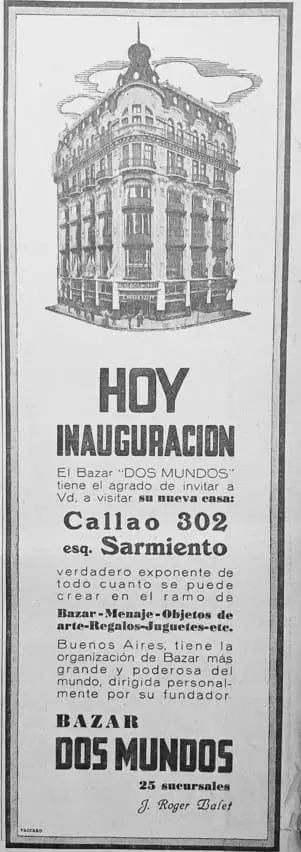
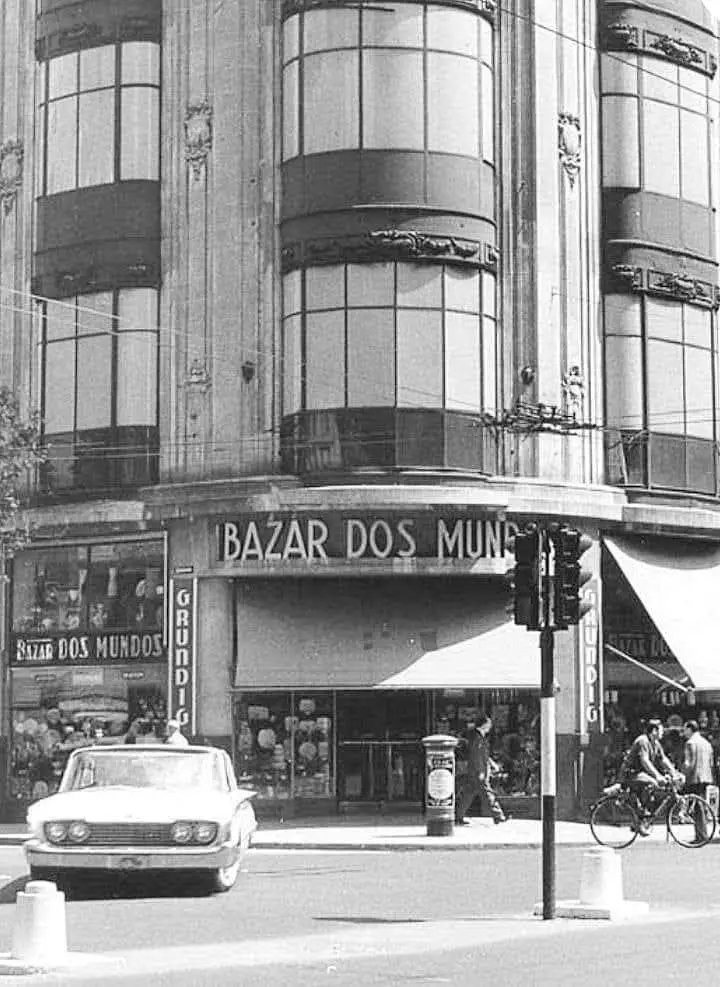
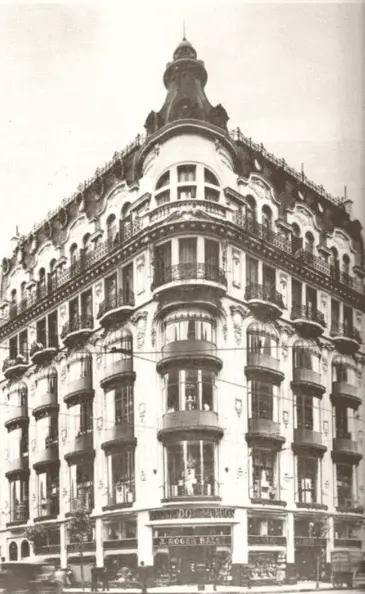
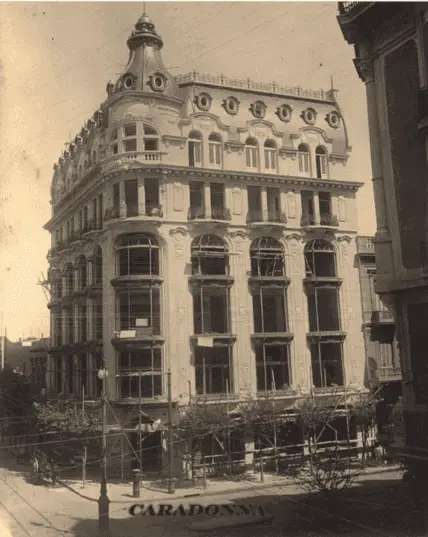
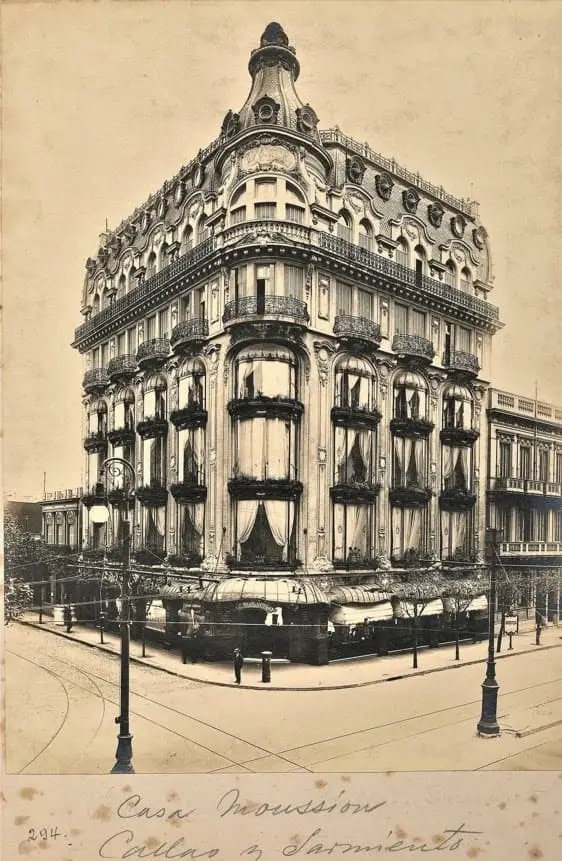
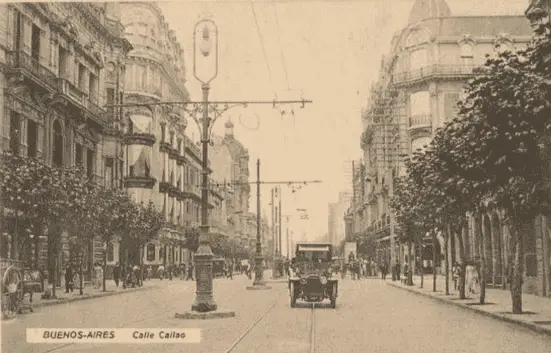
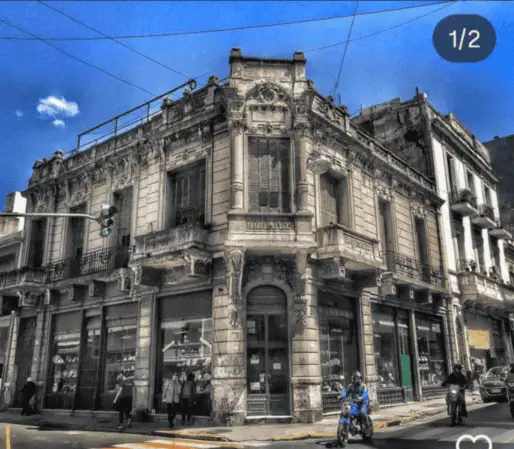
The most iconic building of Bazar Dos Mundos stood at Callao 312, on the corner of Sarmiento. Originally, this building housed Casa Moussion, a Parisian-style women’s fashion store. Built in 1912 by architects Emilio Hugé and Vicente Colmegna, it is an outstanding example of Art Nouveau architecture in Buenos Aires. The inauguration of Bazar Dos Mundos in this building, as shown in the advertising poster below, took place in 1938.
Commercial Competition in Buenos Aires
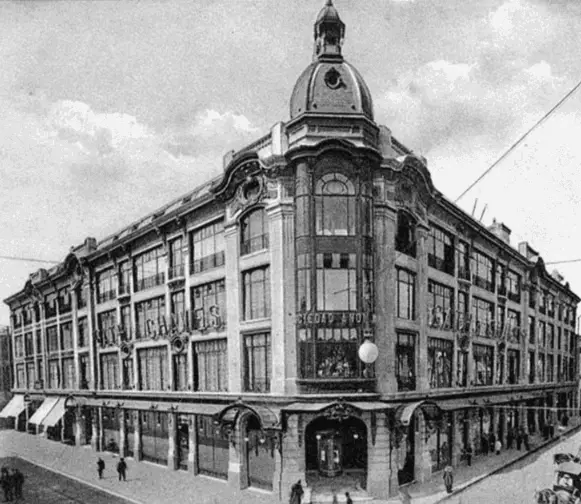
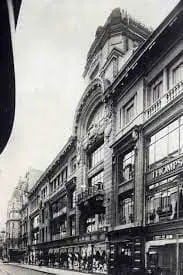
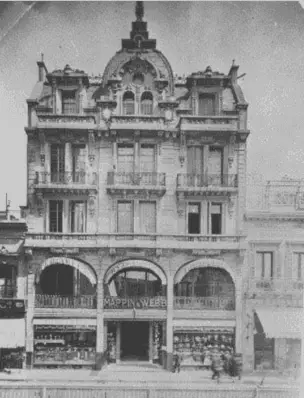
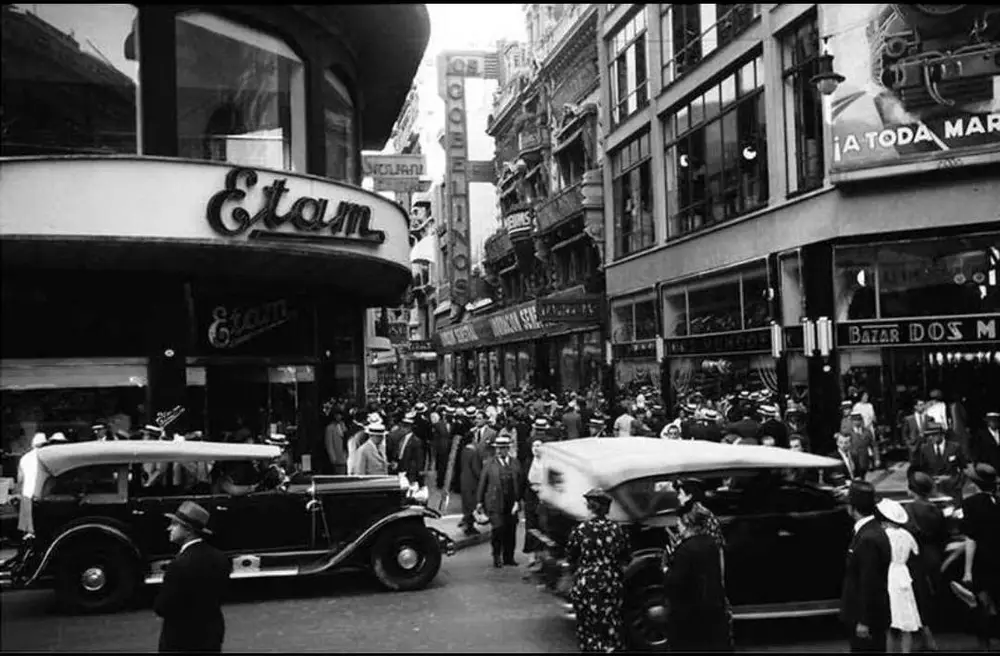
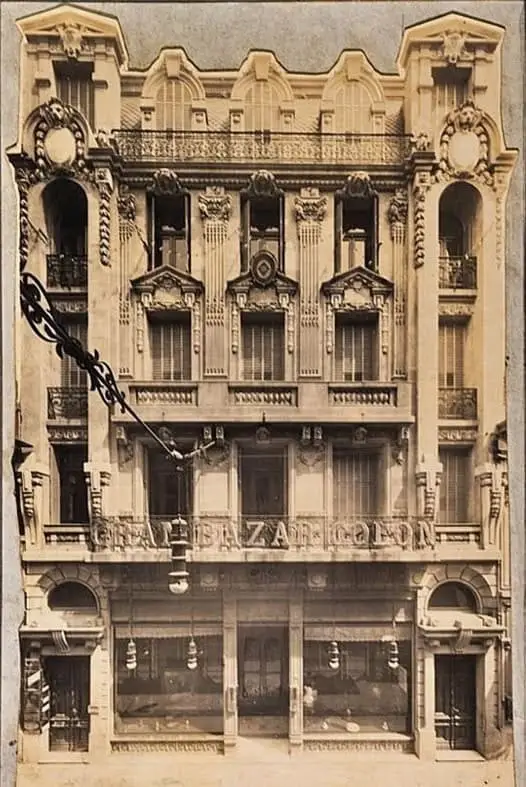
His main competitors in Buenos Aires were:
- Gath & Chaves
- Harrods Buenos Aires
- Casa Mappin
- Etam
- Bazar Colón
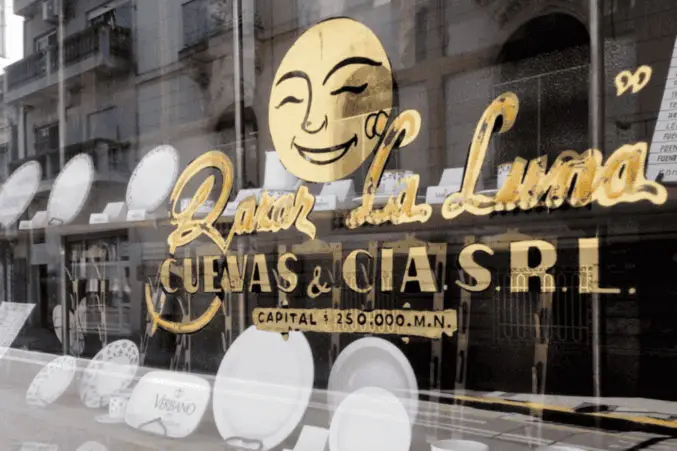
- Bazar La Luna (still operating today)
The Commercial Legacy of Bazar Dos Mundos

Approaching the age of 70, José Roger Balet handed over the management of Bazar Dos Mundos to his sons, Ataulfo and Enrique, in the late 1950s. They had been specifically trained to take over, completing their education with stays abroad where they experienced the world’s leading department stores firsthand. Later on, the generational handover passed to one of his grandsons, also named Enrique.
From then until the 1980s, they firmly upheld the values upon which their father had founded the company: hard work, integrity and vision.
Although retired from day-to-day management, Don José remained the soul of the enterprise, always present to offer advice and share his experience. Surrounded by the affection of his wife, children and grandchildren, he continued to pass on with joy and good humor his passion for a job well done and for family.
The End of Bazar Dos Mundos and of an Era

Below we outline the main reasons that led to the closure of Bazar Dos Mundos:
- Changes in the Argentine economic context (1970s–1980s): High inflation, economic instability and falling purchasing power hit traditional retail hard. Importing goods became increasingly difficult due to foreign-exchange restrictions, the rising cost of the dollar and import barriers.
- Shifts in consumer habits and retail formats: Families stopped prioritizing luxury or imported household goods. New retail formats emerged: supermarkets, self-service stores and later shopping malls. The middle class no longer saw “buying fine European goods” as a priority.
- Deindustrialization and trade liberalization (1970s–1980s): The economic model of the military dictatorship (1976–1983) favored cheap imports and hurt both local industry and quality retail. Competition from cheaper products and new retail formats made it unsustainable to maintain margins on high-cost imported merchandise.
Definitive closure: It took place in 1985. It was a quiet disappearance, without scandals or high-profile bankruptcies, marking the end of an era in traditional Buenos Aires commerce.
4. Other Projects

He served as Economic Advisor to the League Against Cancer (Liga contra el Cáncer).
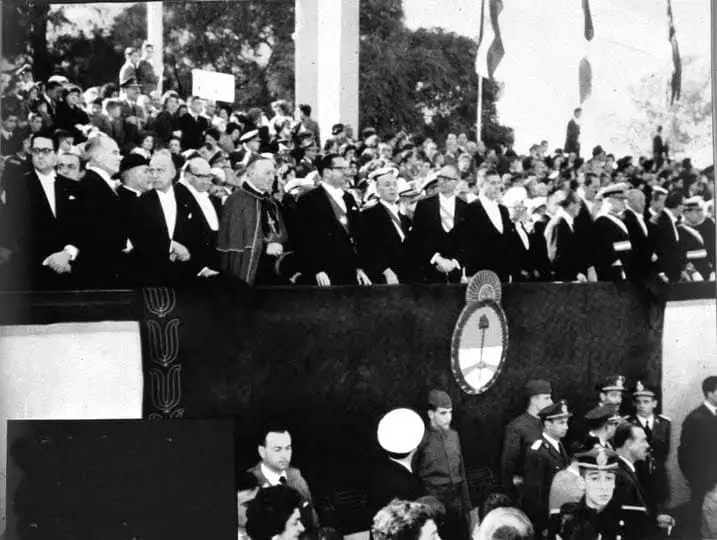
He was also appointed a member of the Tribute Commission for the Sesquicentennial of the May Revolution in 1960.